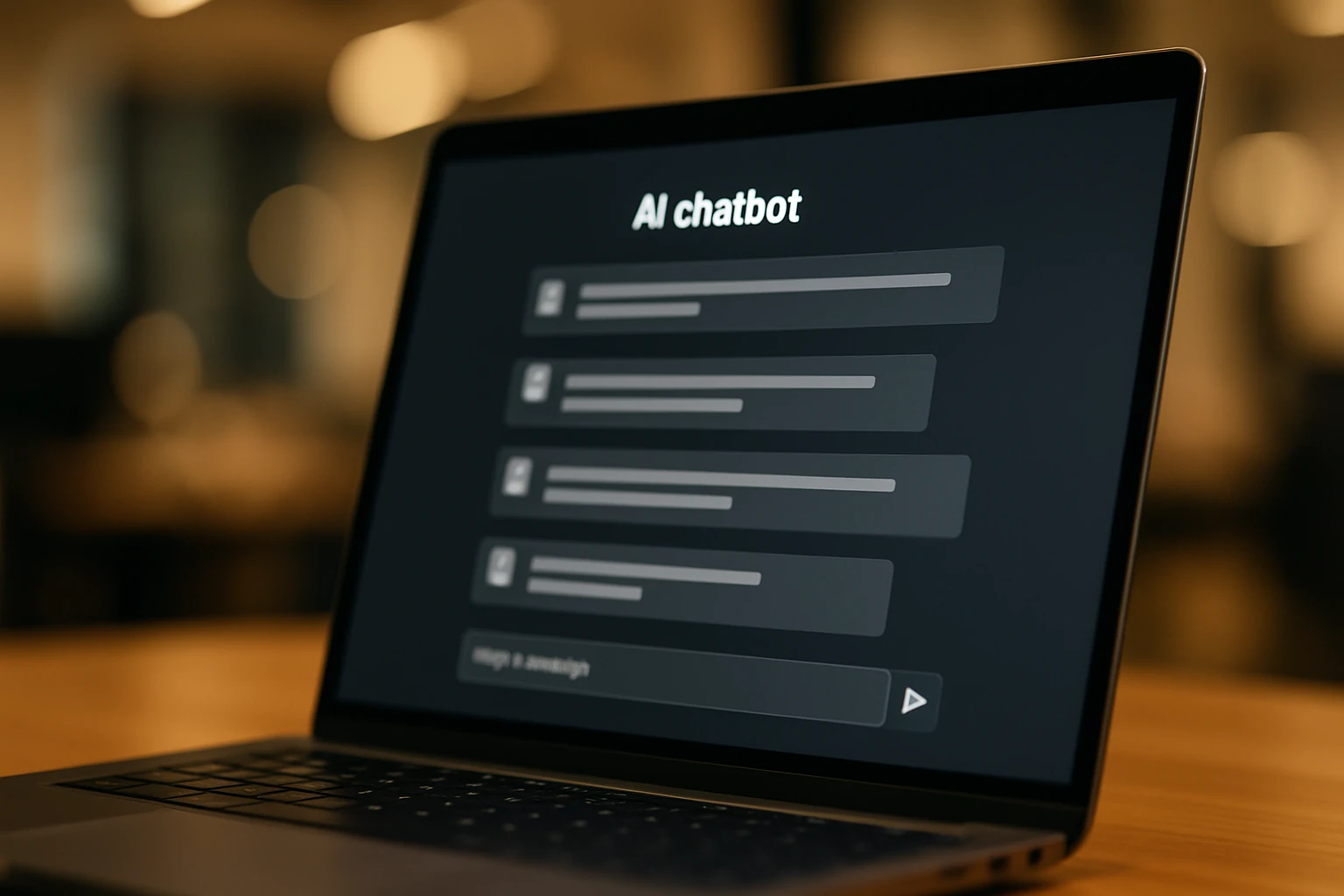
In April 2026, OpenAI removed the $200,000 minimum commitment required to advertise on ChatGPT, launching self-serve ad tools that open the platform to any brand with a budget. According to The Prompt Insider and data compiled since the February 2026 launch, ChatGPT already has 600+ active advertisers and hit $100 million in annualized ad revenue by March. This shift fundamentally changes the visibility map on AI platforms. And creates an urgent signal for any brand that hasn't secured its organic citations yet.
Bottom line: ChatGPT now displays two types of visibility. Organic citations (embedded in response body, implicit recommendation) and paid placements (below the response, labeled « Sponsored »). Your competitors can now buy the spot you didn't earn organically.
Is your brand cited organically by ChatGPT?
The timeline: from exclusive to democratized
On February 9, 2026, OpenAI launched ads on ChatGPT in the US, initially limited to brands committing a $200,000 minimum via agency partners including WPP, Omnicom, and Dentsu. Launch advertisers included Target, Ford, and Adobe. On March 2, Criteo became the first formal ad-tech partner in the pilot program.
On March 26, 2026, according to CNBC, OpenAI confirmed $100M in annualized ad revenue and announced expansion to Canada, Australia, and New Zealand. In April 2026, self-serve tools launched, removing the financial barrier entirely. Any business can now bid for visibility inside ChatGPT responses.
Organic vs. sponsored: a distinction that will define AI search
On ChatGPT, two types of visibility now coexist. Organic citations appear inside the response body, ChatGPT references you because it considers your content authoritative on the topic. No label, no badge, just an embedded recommendation. Sponsored placements appear below the response, clearly labeled « Sponsored. »
This distinction is key to understanding why AI-referred traffic converts 42% better than other sources: it's the implicit trust of organic citation that drives the conversion premium. A « Sponsored » label in an AI engine carries the same cognitive weight as a Google ad. Seen, but not trusted the same way.
ChatGPT ad CTR sits between 0.91% and 1.3%, according to pilot program data. Google Search delivers 6.4% to 29.2% CTR depending on position. Paid ChatGPT placement is expensive relative to its click-through performance.
What this means for your GEO strategy
AI engine optimization (AEO/GEO) takes on new urgency once ChatGPT monetizes. Before, the only way to be visible on ChatGPT was to earn organic citations. Now, your competitors can pay to appear below your citations. Or to fill the space you left empty by not being cited at all.
Three scenarios map your brand's current position:
- You're already cited organically, you hold a trust advantage. A competitor's paid placement below doesn't erase you. Keep reinforcing your topical authority with structured, citable content.
- You're not being cited, competitors can now buy the visibility you haven't earned. Paid isn't ideal (low CTR, lower trust signal), but it's better than nothing. Urgency: build organic GEO now, and consider paid as a bridge.
- You operate in a high-intent vertical (health, finance, legal, SaaS), paid placement may make strategic sense for transactional queries. But organic authority is still the long-term play.
4 actions to take this week
Here's what forward-thinking brands are doing right now:
- Audit your citation rate, Open ChatGPT and ask: « Who are the best [your sector] agencies? » and « What are the top [your expertise] resources? » If your name doesn't appear, you don't exist in AI yet.
- Build answer-engine-ready content, Lead with direct answers, name your sources, include specific data points. This is what AI systems reference. Structures like Q&A, numbered lists, and expert quotes are over-indexed in AI citations.
- Strengthen your third-party footprint, Reddit threads, industry forums, verified review platforms, published case studies. OpenAI's broader ecosystem pulls from sources with editorial density and verifiable attribution.
- Add ChatGPT citation tracking to your visibility dashboard, alongside GSC. AI citation rate will be as important as keyword ranking within 12 months. Start measuring now.
Our take
At Cicero, we've been tracking this since ChatGPT hit 100M users. The monetization of AI search was inevitable. It mirrors exactly how Google evolved from pure organic to a paid/organic mix. The good news: the organic side of AI search is still early-stage and easier to win than Google's was at the same inflection point. Your window to build a genuine citation moat is now. Before the paid market matures and drowns out the organic signal.
Sources
- → The Prompt Insider, ChatGPT Opens Ads to Everyone: AEO implications (April 2026)
- → TechCrunch, ChatGPT rolls out ads (February 9, 2026)
- → Search Engine Land, OpenAI begins rolling out ads in select markets (April 17, 2026)
Growth and SEO content strategist, I founded Cicéro to help businesses build lasting organic visibility. On Google and in AI-generated answers alike. Every piece of content we produce is designed to convert, not just to exist.
LinkedIn