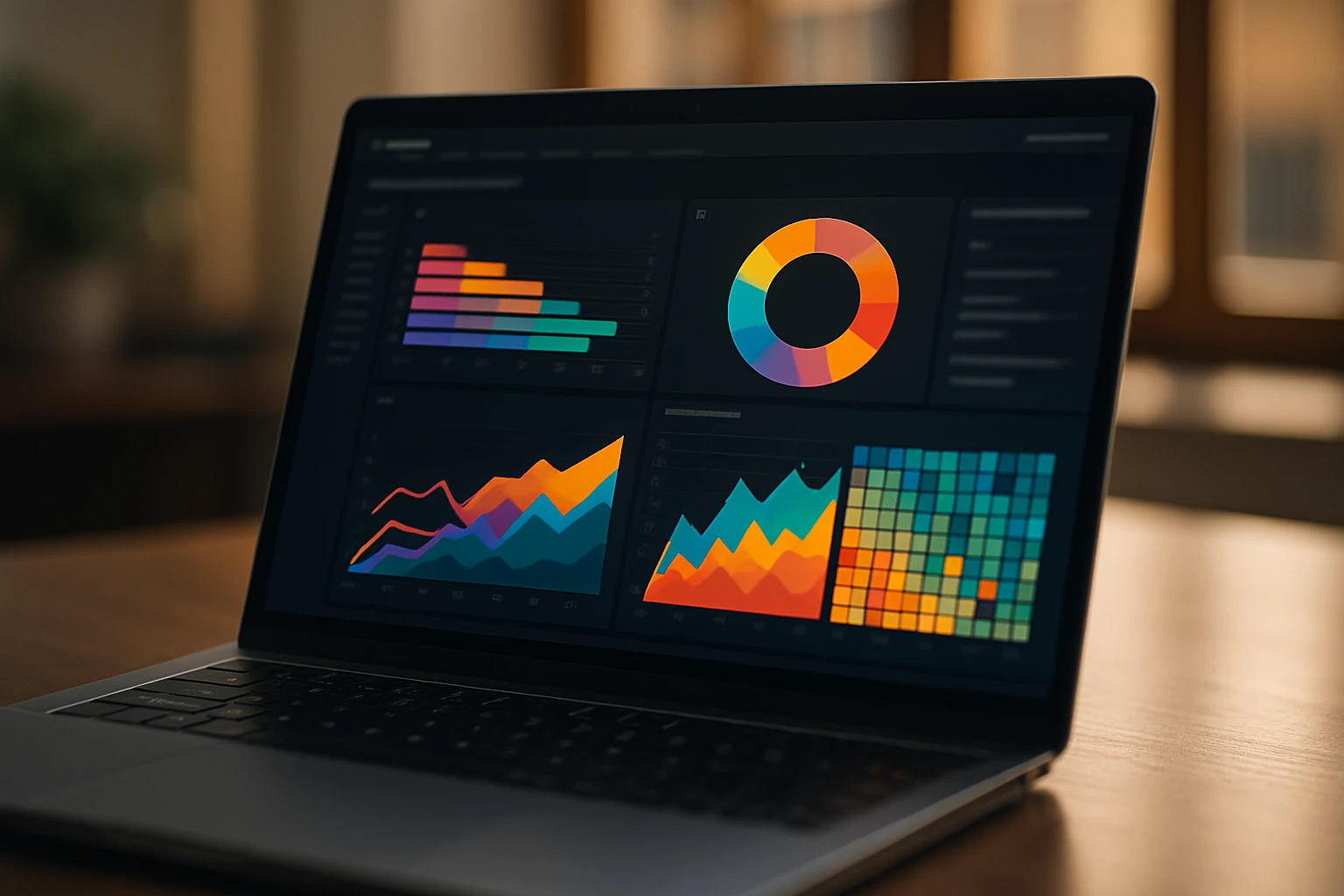
On April 22, 2026, OpenAI launched ChatGPT Images 2.0, powered by a new model called gpt-image-2, according to an announcement published on OpenAI's official blog. The shift is structural: AI image generation no longer stops at beautiful photos. It now produces complete infographics, presentation slides, maps, and multilingual text. Including Japanese, Korean, Hindi, and Bengali. At up to 2,000-pixel resolution.
For content teams that relied on designers for anything visual, this is a meaningful change in the economics of content production.
What gpt-image-2 can do that previous models couldn't
The historical bottleneck of AI image generation was text. DALL-E 3 produced restaurant menus with « enchuita » and « margartas » instead of correct words. gpt-image-2 fixes this at a fundamental level: text elements within images. Labels, captions, slide titles. Are now rendered with the precision of layout software.
The Thinking mode is the real innovation: before rendering, the model plans the composition, counts objects, and verifies constraints (proportions, layout consistency). An infographic with seven icons and precise captions comes out correct on the first attempt, without the typical regeneration loop. The tradeoff: Thinking mode takes several minutes versus seconds for Instant mode.
In practice: Thinking mode is ideal for complex visuals that must be accurate (infographics, comparison charts, slides). Instant mode remains the right choice for simple illustration images. Article headers, social visuals, OG images.
What this changes for your content strategy
For editorial teams and SMBs managing their SEO content strategy without a dedicated design budget, Images 2.0 opens three immediate use cases:
- On-demand brand infographics. Writing a blog post about 2026 SEO trends? Generate a summary infographic in Thinking mode, export as WebP, embed directly in the article. No Canva, no designer, no back-and-forth.
- Automated OG images at scale. OG images (the visuals that appear in Twitter and LinkedIn previews) are often neglected because they cost time. gpt-image-2 generates them in Instant mode in seconds. Title embedded in the image, consistent branding.
- Multilingual visual content. For brands operating in multiple languages, generating a localized visual with French, English, and Spanish text in the same render was prohibitively expensive. gpt-image-2 does it natively.
From an SEO perspective, the impact is indirect but real. Quality visuals reduce bounce rate, increase time-on-page, and improve social sharing. Three signals that build page authority over time. This is especially true for evergreen content that needs to stay relevant over months or years.
The limit nobody mentions: E-E-A-T and authenticity
Images 2.0 is a production tool, not a credibility replacement. Google's E-E-A-T criteria (Experience, Expertise, Authoritativeness, Trustworthiness) value authentic signals. A page filled with AI-generated visuals and no trace of human expertise or original data doesn't gain authority, it loses it.
The right approach: use gpt-image-2 for illustration visuals (banners, OG images, explanatory diagrams) and keep original photos, real data screenshots, and expertise-driven visuals for content targeting competitive queries.
Access and pricing
ChatGPT Images 2.0 is available to all ChatGPT and Codex users. Advanced features (Thinking mode, 2K resolution, multi-image output) are reserved for Plus, Pro, and Business subscribers, according to TechCrunch. The API is available with pricing that varies based on output quality and resolution. OpenAI has not yet published a detailed public pricing grid.
Compared to Anthropic's Claude Design, launched just days earlier, Images 2.0 bets on raw generation power and technical precision rather than integration into an existing design workflow. Both approaches serve different use cases and are complementary.
Our take
AI image generation has just crossed the threshold of professional usability. This is no longer a creative gimmick. It's a content production tool. For SMBs, it's a real reduction in production costs. For SEO teams, it's a lever on engagement metrics that correlate with long-term ranking performance.
But the differentiating effect won't last six months. When everyone is using gpt-image-2, AI-generated visuals become the baseline, not the advantage. What will continue to stand out: proprietary data in your visuals, real case studies, opinionated frameworks that can't be replicated.
Sources
- → OpenAI Blog, Introducing ChatGPT Images 2.0, official launch announcement
- → TechCrunch, ChatGPT Images 2.0 text rendering analysis, feature breakdown
- → PetaPixel, OpenAI Claims ChatGPT Images 2.0 Can Think, Thinking mode details

Growth and SEO content strategist, I founded Cicéro to help businesses build lasting organic visibility. On Google and in AI-generated answers alike. Every piece of content we produce is designed to convert, not just to exist.
LinkedIn