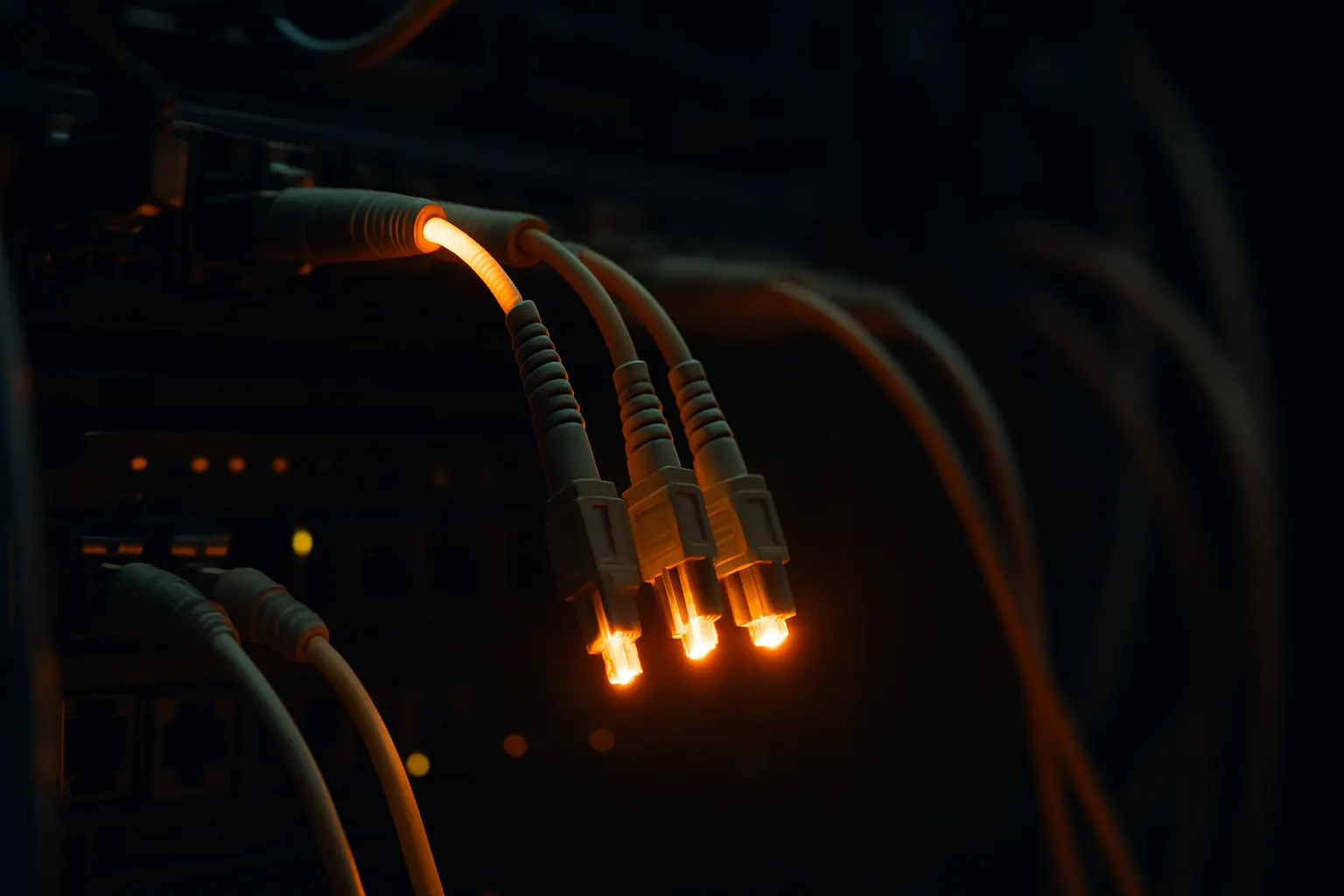
Key takeaway: On May 18, 2026, Anthropic acquired Stainless : the startup that has built every official Claude SDK since the API's launch. The deal exceeds $300 million. At stake: the infrastructure that lets AI agents connect to your website, your tools, and your data.
On May 18, 2026, Anthropic officially announced the acquisition of Stainless, a startup specializing in SDK generation and MCP server tooling, for a sum exceeding $300 million according to The Information as reported by TechCrunch. Stainless had built the official SDKs for Anthropic since Claude's API inception : and also powered those of OpenAI, Google and Cloudflare. By acquiring the company, Anthropic secures critical infrastructure for the next phase of AI: autonomous agents that browse the web on behalf of users.
What Stainless is : and why this deal matters
Stainless was founded in 2022 by Alex Rattray, a former Stripe engineer. The startup automates SDK creation from API specifications: give it an OpenAPI spec, and it generates production-ready libraries in Python, TypeScript, Go, Java and Kotlin, keeps them updated automatically, and tests them continuously. The result: developers can integrate an API in hours rather than weeks.
What makes the acquisition strategic comes down to one sentence from Katelyn Lesse, Head of Platform Engineering at Anthropic: "Agents are only as useful as what they can connect to."
AI agents (unlike standard language models) don't just generate text: they execute actions. They fill out forms, query APIs, read content, compare prices, book appointments. To do all of this, they need robust SDKs and MCP (Model Context Protocol) servers that manage connections between Claude and the rest of the digital world.
What this concretely means for your website's visibility
For years, your website had two types of visitors: humans and crawlers (Googlebot, GPTBot, ClaudeBot). These crawlers read your content to index it or include it in AI responses. With the rise of agents, a third type of visitor is emerging: the autonomous agent that acts, not just reads.
A user asks Claude: "Find me the 3 best SEO agencies in Paris, compare their offers and book a demo with the cheapest one." Claude won't just cite websites from its training memory. It will navigate the web, read your pricing pages, fill out your contact form and confirm the booking. That's exactly what the Stainless infrastructure (coupled with MCP) makes possible.
For your search visibility, this changes two things. First, AI agents generate a new type of traffic that your current analytics tools don't measure well. Second, pages that these agents can traverse easily (semantic HTML, ARIA labels, Schema.org structured data) gain a competitive advantage over opaque or pure JavaScript-rendered pages.
Three concrete actions to take now
You don't need to integrate MCP into your stack this week. But three simple improvements can make a real difference today:
- Audit your semantic HTML. Do your contact forms have explicit
<label>elements? Do your action buttons have descriptive text (not just "Click here")? AI agents (like screen readers) need clear instructions to navigate. - Check your Schema.org coverage. Structured data (Service, Organization, Product, FAQPage) is already the language AI systems use to understand what you do. With agents, it also becomes the language for interacting with you. An agent searching for an SEO agency will filter results via Schema entities, not via the visual look of your page. Cicero Studio charges for editorial production + semantic linking, precisely because this technical layer has become core infrastructure.
- Monitor your server logs. Look for user-agents containing "Claude," "Anthropic," or "MCP." This traffic already exists in your logs, but you've probably never filtered for it. GA4 recently added an "AI Assistant" channel to track some of this traffic, but autonomous agents still require direct log inspection.
The Cicero take
The $300M Anthropic paid for Stainless is not a bet on SDK tooling. It's a bet on the web remaining the primary environment where AI agents operate : and on Anthropic controlling the plumbing that connects Claude to that web.
For businesses, the implication is straightforward: the visibility race of 2026-2027 won't be fought exclusively on Google. It will be fought on your site's ability to be understood, traversed, and acted upon by autonomous agents. The sites that already have this technical foundation will gain ground without additional effort. Those that don't will face a growing gap. Anthropic just put $300M on the table to make sure that gap widens faster than expected.
Sources
- → Anthropic : Official acquisition announcement : Anthropic blog, May 18, 2026
- → TechCrunch : "Anthropic has acquired the dev tools startup used by OpenAI, Google, and Cloudflare" : May 18, 2026
Growth and SEO content strategist, I founded Cicéro to help businesses build lasting organic visibility : on Google and in AI-generated answers alike. Every piece of content we produce is designed to convert, not just to exist.
LinkedIn